In today’s fast-paced world, Digilife — the fusion of digital technology into our everyday routines — is not just a trend; it’s reshaping the entire way we shop, learn, and work. From the seamless convenience of online shopping to personalized education experiences and the rise of remote work, Digilife is creating a new normal that offers unparalleled efficiency and flexibility. Here’s a deep dive into how Digilife is transforming these key aspects of our lives.
Online Shopping: How Digital Technology Is Changing Consumer Behavior
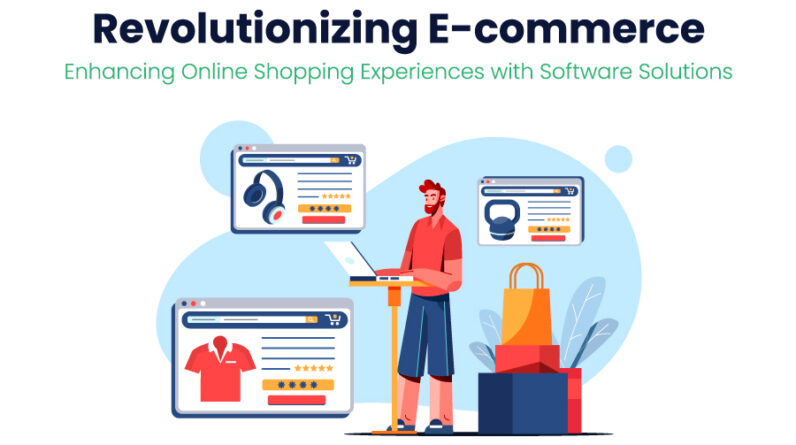
The rise of e-commerce is one of the most profound impacts of Digilife, offering consumers the freedom to shop for anything, anytime, anywhere. Giant platforms like Amazon, eBay, and Walmart have revolutionized traditional retail, offering an abundance of products at your fingertips. With cutting-edge AI algorithms, these platforms personalize recommendations, making the shopping experience smarter and more relevant than ever before.
Mobile shopping has also skyrocketed, thanks to the power of smartphones. Apps like Shopify, Instagram Shopping, and Etsy have turned mobile devices into portable marketplaces. And with secure, fast payment options like Apple Pay and Google Pay, consumers can make purchases instantly, ensuring a smooth, safe transaction every time.
Augmented Reality (AR): The Future of Virtual Shopping Try-Ons
One of the most exciting advancements in e-commerce is the rise of augmented reality (AR), particularly in fashion and beauty. Now, consumers can virtually try on clothes, makeup, or even furniture without leaving their homes. Brands like Warby Parker and L’Oreal have adopted AR technology, allowing users to “try on” products using their smartphones or webcams, providing a personalized and immersive shopping experience that’s both engaging and convenient.
As AR technology improves, it’s expected to take online shopping to new heights, eliminating the uncertainty of purchasing items without trying them on first. This will not only enhance consumer satisfaction but also reduce return rates, benefiting both businesses and buyers.
The Revolution of Online Learning: Education at Your Fingertips
Education has entered a new era thanks to online learning platforms. Services like Coursera, Udemy, and LinkedIn Learning offer a vast array of courses that make acquiring knowledge easier and more accessible. Whether you’re pursuing a degree, learning a new skill, or gaining a certification, the flexibility of online education allows students to learn at their own pace — no matter where they are in the world.
Online learning has removed barriers like location and cost, empowering people globally to access top-tier educational content. The rise of interactive learning tools, such as video lectures, quizzes, and group discussions, makes education more engaging, enhancing retention and making learning enjoyable.
Learning On Your Own Terms: The Future of Skill Development
One of the most significant benefits of e-learning is the ability to upskill or reskill on your own schedule. Online platforms like Skillshare, Pluralsight, and MasterClass allow individuals to take courses on-demand, from subjects like digital marketing and programming to art and design. This self-paced learning model means professionals can gain new expertise while balancing their personal and professional lives.
For those looking to boost their careers or pivot into new industries, these platforms provide affordable and flexible options that are transforming traditional methods of skill development. With certifications and credentials now accessible online, anyone can take charge of their future career path.
Remote Work: Unlocking Flexibility in the Digital Age
The way we work has undergone a massive transformation with the rise of remote work. Platforms such as Zoom, Slack, and Microsoft Teams enable businesses and employees to stay connected, collaborate, and innovate — all from the comfort of their homes. The ability to work from anywhere has provided employees with greater flexibility, while employers can tap into global talent pools, creating more opportunities and eliminating geographical limitations.
The shift toward remote work has been a game-changer for companies, increasing productivity and employee satisfaction. Remote work also promotes a better work-life balance, as employees have the ability to structure their schedules to fit their personal needs. This digital work revolution is here to stay, with more organizations embracing the flexibility it offers.
AI and Automation: The Future of Smart Workplaces
Another powerful facet of Digilife in the workplace is the integration of artificial intelligence (AI) and automation. From AI-powered chatbots assisting with customer service to Robotic Process Automation (RPA) handling repetitive tasks, AI is making workplaces smarter and more efficient. These technologies free up employees to focus on more complex, value-added work, allowing businesses to streamline operations and reduce costs.
With AI and automation becoming increasingly sophisticated, new opportunities are emerging in fields like data science, machine learning, and AI development. As businesses continue to adopt these technologies, the demand for skilled workers in these fields is rising, creating exciting new career prospects.
Digital Tools for Team Collaboration: Enhancing Productivity
Digital tools have revolutionized team collaboration, especially in remote and hybrid work environments. Platforms such as Google Workspace, Trello, and Asana allow teams to organize tasks, manage projects, and collaborate on documents in real-time. These platforms make it easy for teams to stay connected, increasing efficiency and productivity, even when working across different time zones.
Collaboration tools also offer features like task management, calendar integration, and file sharing, making them indispensable in the modern workplace. As teams continue to work remotely or in hybrid settings, these digital solutions help ensure seamless communication and smooth project execution.
The Gig Economy: Freelance Opportunities in the Digital World
The gig economy has flourished in the age of Digilife, with platforms like Fiverr, Upwork, and Freelancer offering individuals the chance to offer their skills and services online. Whether it’s writing, design, marketing, or tech work, the gig economy has made it possible for anyone with expertise to monetize their talents.
This shift to freelancing offers more flexibility, allowing individuals to work on projects they’re passionate about while setting their own schedules. It also benefits businesses, as they can hire experts for specific tasks without committing to full-time hires. As more people embrace freelance work, the gig economy continues to expand, offering new opportunities for both employers and workers alike.
Cybersecurity: Protecting Your Digital Life
As more of our lives move online, cybersecurity has become a growing concern. Protecting sensitive information from hackers and cybercriminals is crucial, whether you’re shopping, learning, or working online. Encryption, two-factor authentication (2FA), and virtual private networks (VPNs) are essential tools that help protect your personal and financial data.
For businesses, securing customer data is paramount, and investing in cybersecurity solutions has become a critical part of digital transformation. As cyber threats evolve, staying updated on the latest security practices is essential to maintaining privacy and trust in the digital world.
Embracing the Digital Future
As Digilife continues to evolve, its influence on shopping, learning, and working online will only grow. The opportunities it offers are vast, from personalized shopping experiences and flexible learning options to efficient remote work and AI-driven collaboration. However, embracing the digital future also comes with its own challenges, such as privacy concerns and the need for continuous adaptation to new technologies.
By staying informed, embracing change, and prioritizing digital security, individuals and businesses can thrive in this ever-changing landscape. Digilife is not just a passing phase; it’s the way forward — and those who adapt quickly will unlock tremendous opportunities in the digital age.